Library of Congress: A Complete History, Collections, Architecture, Services, and Importance
The Library of Congress is one of the most important cultural, research, and knowledge institutions in the world. Located in Washington, D.C., it serves as the research library of the United States Congress and functions as the national library of the United States. Its collections contain books, manuscripts, maps, photographs, newspapers, films, sound recordings, sheet music, digital materials, and many other forms of human knowledge. The Library describes itself as the largest library in the world, with millions of items representing cultures, languages, countries, and historical periods from around the globe. (Library of Congress)
Although its name connects it directly with Congress, the Library of Congress is much more than a place where lawmakers find books. Over more than two centuries, it has developed into a major center for scholarship, preservation, copyright, historical research, exhibitions, digital access, and cultural education.
The Library’s history is also closely connected with the history of the United States. It survived war, fires, changes in government, technological revolutions, and enormous growth in published information. Today, its resources are used by members of Congress, government agencies, researchers, historians, students, educators, authors, journalists, and members of the public.
This article explores the history and development of the Library of Congress, its famous buildings, collections, Thomas Jefferson’s influence, research services, digital resources, architecture, preservation work, and continuing importance in the modern information age.
1. What Is the Library of Congress?
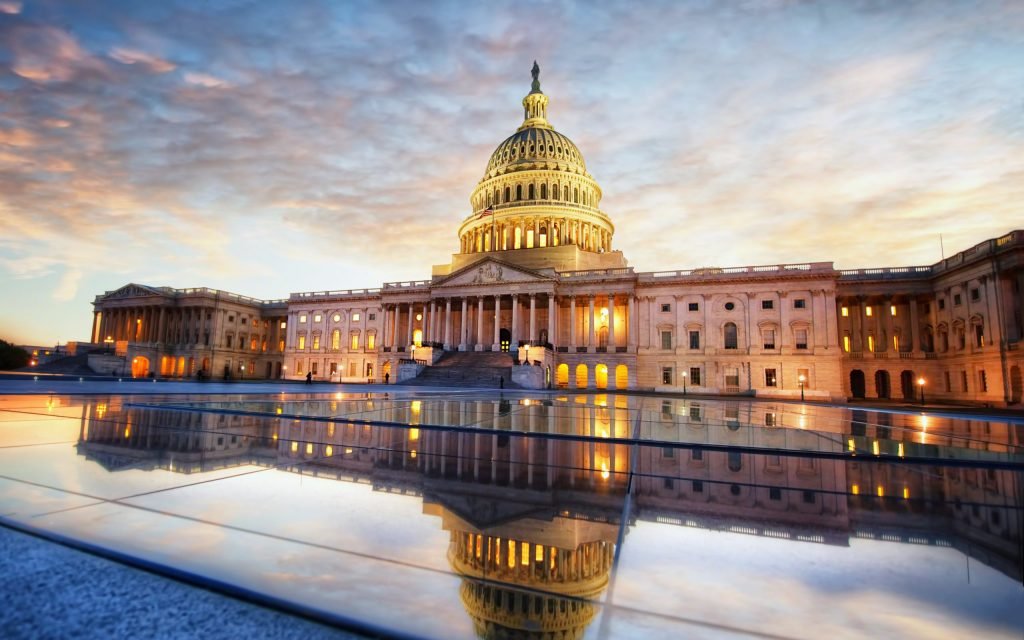
The Library of Congress is an agency of the legislative branch of the United States government. It serves as the principal research arm of Congress and also functions as the national library of the United States. It is headquartered on Capitol Hill in Washington, D.C. (Library of Congress)
The institution has a remarkably broad mission. Rather than concentrating only on traditional books, the Library collects and preserves many different forms of information.
Its holdings include:
- Books
- Newspapers
- Journals
- Manuscripts
- Maps
- Photographs
- Prints
- Drawings
- Sheet music
- Sound recordings
- Motion pictures
- Television materials
- Digital files
- Microforms
- Posters
- Legal materials
- Historical documents
- Government publications
- Rare books
- Personal papers
The Library’s collections contain materials in hundreds of languages and cover subjects ranging from science and technology to literature, history, politics, geography, music, art, law, religion, culture, and social life.
The Library reported more than 178 million items in its collections in fiscal year 2023, illustrating the enormous scale of the institution. (Library of Congress)
2. When Was the Library of Congress Founded?
The Library of Congress was established in 1800.
On April 24, 1800, President John Adams approved legislation connected with moving the federal government from Philadelphia to the new national capital in Washington, D.C. The legislation included an appropriation of $5,000 for books intended for the use of Congress. (Library of Congress)
The original purpose was therefore relatively specific: Congress needed a library that would support its legislative work.
The institution was not initially imagined as the enormous national cultural library that exists today. Its transformation happened gradually over the nineteenth and twentieth centuries.
The original collection was housed inside the United States Capitol. The Library’s early history was consequently closely connected with the Capitol itself.
The first collection was small compared with today’s enormous holdings. According to Library of Congress historical material, the initial collection included hundreds of books and maps. The Library eventually expanded as Congress recognized the growing importance of research and information.
3. The Library’s Early Years
During its first years, the Library of Congress occupied space within the U.S. Capitol.
In 1802, legislation established an important administrative relationship by providing that the President would appoint the Librarian of Congress. Over time, the position of Librarian of Congress became increasingly important to the development of the institution. (Library of Congress)
The Library also began developing systems for organizing its collections.
In 1812, its first classified catalog was published. It listed thousands of volumes along with maps, charts, and plans. (Library of Congress)
This period was important because it established the basic idea that Congress required organized access to information rather than simply a room filled with books.
However, one of the most dramatic events in the Library’s early history was still ahead.
4. The Burning of the Library in 1814
One of the defining events in the history of the Library of Congress occurred during the War of 1812.
On August 24, 1814, British forces entered Washington and burned the U.S. Capitol. Because the Library was housed in the Capitol, its collection was destroyed. The Library of Congress states that its core collection of approximately 3,000 volumes was lost. (Library of Congress)
The destruction created an enormous problem for Congress.
A national legislative institution had lost its principal source of books and information.
The solution came from former President Thomas Jefferson.
Jefferson had an extensive personal library containing thousands of books on subjects ranging from philosophy and history to science, literature, law, geography, and other areas.
He offered his collection to Congress.
In 1815, Congress approved the purchase of Jefferson’s library for $23,950. The collection contained 6,487 books. (Library of Congress)
This purchase had a profound influence on the future of the Library.
5. Thomas Jefferson’s Influence
Thomas Jefferson played a central role in the development of the Library of Congress.
Jefferson’s approach to knowledge was broad. He believed legislators could need information about many different subjects. Therefore, a congressional library should not be limited to narrow political or legal materials.
His library included works covering numerous areas of knowledge.
This philosophy influenced the Library’s later collecting policies.
The Library of Congress explains that Jefferson’s broad approach helped establish the principle that the Library should collect material across many subjects because members of Congress might need to consult information on virtually any topic. (Library of Congress)
Jefferson’s original collection was also historically important because it demonstrated the value of preserving a wide-ranging personal library.
Unfortunately, the Jefferson collection itself later suffered another devastating fire.
6. The 1851 Fire
On Christmas Eve in 1851, another major fire damaged the Library of Congress.
The fire destroyed approximately two-thirds of the Library’s then roughly 55,000 volumes, including a large portion of Jefferson’s collection. Investigators determined that a faulty chimney flue was responsible. (Research Guides)
The disaster demonstrated that the Library needed a safer and more suitable building.
A larger fireproof room was subsequently designed, and the Library received improved facilities inside the Capitol.
But the Library’s growth continued.
By the nineteenth century, the amount of material entering the Library was increasing rapidly.
7. Copyright and the Growth of the Library
One of the most important developments in the Library’s history came with the expansion of copyright-related responsibilities.
The Copyright Law of 1870 centralized copyright registration and deposit functions at the Library of Congress. This contributed significantly to the growth of the collections. (Library of Congress)
The Library increasingly received books, pamphlets, sheet music, and other published materials.
As the collections expanded, space became a serious problem.
The Library could no longer remain simply a relatively small congressional collection inside the Capitol.
A separate building became necessary.
8. The Creation of the Thomas Jefferson Building
The Library’s first major independent building was constructed on Capitol Hill.
Today it is known as the Thomas Jefferson Building.
Construction and planning took place during the late nineteenth century, and the building opened to the public in 1897. (Library of Congress)
The building was designed in the Italian Renaissance style by architects John L. Smithmeyer and Paul J. Pelz. Its elaborate decoration was intended to communicate ideas about knowledge, civilization, education, art, science, literature, and national achievement. (Library of Congress)
The building was much more than a storage facility.
Its architecture was designed to make knowledge itself appear important.
Visitors encountered:
- Marble
- Sculptures
- Murals
- Decorative ceilings
- Classical symbols
- Ornamental staircases
- Grand reading spaces
- Elaborate architectural details
The building became an important landmark in Washington, D.C.
9. The Architecture of the Thomas Jefferson Building
The Thomas Jefferson Building is famous for its richly decorated interior.
More than forty American painters and sculptors contributed to the building’s decoration. Its artwork incorporates classical themes and ideas associated with knowledge and civilization. (Library of Congress)
The building’s design combines European architectural traditions with American artistic and technological achievement.
The Library describes the building as a reflection of the country’s cultural ambitions during the late nineteenth century.
The building was also notable technologically.
It was the first public building in Washington, D.C., constructed with electricity installed. (Library of Congress)
The architecture therefore represented both history and modernity.
10. The Great Hall
One of the most recognizable spaces in the Library of Congress is the Great Hall of the Thomas Jefferson Building.
The Great Hall opened to the public in 1897.
It contains elaborate architectural decoration and artwork representing intellectual and cultural achievements.
The central floor design includes a compass and zodiac symbols. The compass can be interpreted as a representation of the Library’s role as a guide for people searching for knowledge and information. (Library of Congress)
The Great Hall is one of the most photographed spaces in the building.
Its combination of architecture, sculpture, painting, marble, and symbolic design makes it an important part of the Library’s public identity.
11. The Main Reading Room
The Main Reading Room is another iconic part of the Library of Congress.
It was designed as a grand research environment rather than simply a quiet room.
The room includes large reading desks, high architectural spaces, decorative details, sculptures, paintings, and views toward the central research area.
The Main Reading Room has become one of the best-known library interiors in the world.
For many visitors, it represents the traditional idea of a great research library: scholars sitting beneath an elaborate architectural environment surrounded by the world’s accumulated knowledge.
Today, visitors may have limited viewing access depending on the Library’s visitor arrangements and research activities.
12. The Library’s Three Main Capitol Hill Buildings
The Library of Congress now occupies three major buildings on Capitol Hill:
Thomas Jefferson Building
Opened in 1897, this is the Library’s historic and most architecturally famous building.
John Adams Building
The John Adams Building was constructed to provide additional space as the Library’s collections continued to expand. It opened in the late 1930s. (Library of Congress)
James Madison Memorial Building
The James Madison Memorial Building was developed during the twentieth century and opened in 1980. It provides additional offices, research spaces, collections, and public facilities. (Research Guides)
Together, these buildings form the primary Library of Congress complex on Capitol Hill.
The Library also operates important facilities outside Washington, including the Packard Campus for Audio Visual Conservation in Culpeper, Virginia, and large storage facilities. (Library of Congress)
13. The Size of the Library of Congress
The scale of the Library of Congress is difficult to imagine.
The institution holds more than 178 million items, according to its fiscal year 2023 statistics. These materials include books, manuscripts, photographs, maps, audio recordings, moving images, sheet music, posters, microforms, and digital materials. (Library of Congress)
Among the reported 2023 holdings were:
- More than 25.77 million cataloged books
- About 78.5 million manuscripts
- About 5.8 million maps
- About 15.7 million photographs
- About 8.2 million sheet-music items
- About 4.3 million audio materials
- About 1.8 million moving-image items
- Hundreds of thousands of posters, prints, and drawings
- Millions of machine-readable items
These numbers demonstrate that the Library is not simply a traditional book library.
It is a vast archive of human culture.
14. Books and Printed Materials
Books remain one of the Library’s most important resources.
Its collections contain books in numerous languages and cover an extraordinary range of subjects.
Researchers can find materials about:
- World history
- American history
- Literature
- Science
- Medicine
- Technology
- Education
- Economics
- Law
- Government
- Geography
- Philosophy
- Religion
- Art
- Music
- Languages
- International affairs
The Library’s collection policies have developed over many generations.
Because of its national role, it has collected material from both the United States and other parts of the world.
15. Manuscripts and Personal Papers
Manuscripts are among the most valuable resources at the Library of Congress.
The Manuscript Division and related collections preserve personal papers, government records, correspondence, diaries, drafts, notes, and other historical documents.
One famous example is the Thomas Jefferson Papers.
The Library states that this collection contains approximately 25,000 items, making it the largest collection of original Jefferson documents in the world. (Library of Congress)
The papers cover many aspects of Jefferson’s life.
They include:
- Correspondence
- Drafts
- Notes
- Maps
- Scientific observations
- Financial records
- Political documents
- Personal materials
- Legal materials
Such collections allow historians to study historical figures through original evidence rather than relying only on later biographies.
16. The Gutenberg Bible
The Library of Congress holds an important collection of rare books, including a Gutenberg Bible.
The Gutenberg Bible is associated with Johannes Gutenberg’s development of movable metal type printing in Western Europe.
Its historical importance is enormous because the spread of printing transformed communication, education, literacy, and the circulation of knowledge.
The Library’s visitor materials feature the Gutenberg Bible as one of the major highlights of the Thomas Jefferson Building. (Library of Congress)
Its presence illustrates the Library’s broader mission of preserving important milestones in the history of written communication.
17. Maps and Geography
The Library of Congress has one of the world’s major map collections.
Its cartographic materials cover centuries of geographic knowledge.
The collections can include:
- Historical maps
- World maps
- City maps
- Military maps
- Nautical charts
- Transportation maps
- Atlases
- Architectural plans
- Geographic documents
Maps are valuable not only for understanding geography but also for studying how people understood the world at different times.
A historical map can reveal political borders, trade routes, settlements, transportation networks, exploration, and changing geographical knowledge.
18. Photographs
The Library’s photographic collections preserve millions of images.
These photographs can document:
- People
- Buildings
- Cities
- Wars
- Industries
- Landscapes
- Families
- Political events
- Everyday life
- Architecture
- Transportation
- Cultural traditions
Photography provides a visual record that complements written history.
For researchers, photographs can provide evidence about clothing, architecture, technology, social customs, landscapes, and historical events.
19. Music Collections
Music is another major part of the Library’s collections.
The Library holds enormous quantities of sheet music, manuscripts, recordings, and other musical materials.
These resources can be used to study:
- Classical music
- Popular music
- Jazz
- Folk music
- American musical traditions
- International music
- Composers
- Performers
- Songwriting
- Music publishing
The Library also has important relationships with American musical history and maintains resources connected to major composers and performers.
20. Sound Recordings
Sound recordings are an increasingly important part of cultural preservation.
The Library collects and preserves recorded sound in numerous formats.
These materials can document:
- Music
- Speeches
- Oral histories
- Radio
- Interviews
- Cultural traditions
- Historical events
- Entertainment
- Language
Preserving old recordings can be technically difficult because recording formats change over time.
The Library therefore has specialized conservation and preservation programs.
21. Film and Moving Images
The Library’s collections also contain motion pictures and other moving-image materials.
Film preservation is important because older film formats can deteriorate.
The Library works to preserve audiovisual heritage so that historically significant recordings remain available for future generations.
The collections can help researchers study:
- Cinema
- Television
- Advertising
- News
- Documentary filmmaking
- Popular culture
- Social history
- Technology
22. Digital Collections
The Library of Congress has expanded enormously into the digital world.
Its website provides access to many digital collections, databases, exhibitions, research guides, photographs, documents, recordings, maps, and other materials.
This digital transformation is extremely important because people no longer need to travel to Washington, D.C. to discover many Library resources.
Students, researchers, teachers, journalists, and members of the public around the world can explore large portions of the Library’s online resources.
The Library encourages visitors to explore its collections online as well as in person. (Library of Congress)
23. The Library and the Internet
The internet has changed the role of major research libraries.
In the past, a researcher might have needed to travel long distances to examine a particular manuscript or photograph.
Today, digitized collections can make some of those materials available online.
Digital access provides several advantages:
- Researchers can discover materials remotely.
- Students can use primary sources for education.
- Teachers can incorporate historical documents into lessons.
- Researchers can search large collections more efficiently.
- Rare materials can reach a global audience.
- Digital copies can reduce unnecessary handling of fragile originals.
However, digitization does not eliminate the need for physical preservation.
Digital copies and original objects serve different purposes.
24. The Library as a Research Institution
The Library of Congress is fundamentally a research institution.
It provides information services to Congress and also offers research resources to qualified members of the public.
Researchers may investigate subjects such as:
- American history
- International history
- Government
- Law
- Literature
- Music
- Genealogy
- Geography
- Military history
- Science
- Technology
- Culture
The Library also maintains research guides that help users understand how to locate materials.
25. Who Can Use the Library?
The Library’s research resources are not limited exclusively to members of Congress.
According to its FAQ, the Library is open without charge to people age 16 and older, subject to its visitor and research procedures. (Library of Congress)
However, public visitors should understand an important distinction.
The Library is not organized like a typical neighborhood public library.
Many collections are stored in closed stacks, meaning visitors generally cannot walk through the shelves and select books themselves.
Instead, researchers request materials through Library systems and use designated reading rooms.
26. Why the Library Is Important for Students
Students can benefit from Library of Congress resources in many ways.
For example, a student studying American history might use original documents, photographs, maps, newspapers, or manuscripts.
A literature student could investigate historical editions and literary manuscripts.
A geography student could examine historical maps.
A music student could explore sheet music and recordings.
A journalism student could research historical newspapers and photographs.
The Library’s digital collections are especially valuable because students can access many materials without traveling to Washington.
27. Why Historians Use the Library
Historians depend heavily on primary sources.
A primary source is an original document or artifact created during the period being studied.
Examples include:
- Letters
- Diaries
- Government documents
- Photographs
- Maps
- Newspapers
- Manuscripts
- Recordings
- Personal papers
The Library of Congress contains enormous quantities of primary-source material.
This makes it an important research destination for historians.
Instead of relying entirely on secondary interpretations, researchers can examine original evidence and develop their own conclusions.
28. The Library and American History
The history of the Library itself reflects American history.
It was created shortly after the establishment of the new federal government in Washington.
It was destroyed during the War of 1812.
It was rebuilt.
It suffered another devastating fire in 1851.
It expanded during the nineteenth century.
It became increasingly national in scope.
It developed alongside the growth of copyright law, publishing, photography, recording technology, film, television, and digital media.
Its collections therefore provide a kind of parallel history of the United States.
29. The Library and World History
Although the institution is a U.S. federal library, its collections are international.
The Library collects materials in many languages and from many parts of the world. Its collections therefore support research into global history and culture. (Library of Congress)
Researchers can investigate countries, civilizations, languages, political systems, literature, religions, artistic traditions, and international events.
This international character is one reason the Library is valuable to scholars beyond American studies.
30. The National Library Role
The Library of Congress is often described as the national library of the United States.
Unlike many national libraries, however, its original purpose was closely connected with Congress.
Over time, its responsibilities expanded.
The Library now performs functions associated with:
- National research
- Cultural preservation
- Copyright
- Digital access
- Historical documentation
- Legislative research
- Public education
- Library science
- Conservation
This combination makes it unusual among major libraries.
31. The Copyright Office
The U.S. Copyright Office is part of the Library of Congress.
Copyright registration and related activities are important to creators because copyright law concerns the protection of original creative works.
The Library’s copyright role also contributes to the growth of its collections.
In fiscal year 2023, the Library reported issuing more than 441,500 copyright registrations and recording thousands of documents containing hundreds of thousands of works. (Library of Congress)
The connection between copyright and collecting has been important throughout the Library’s history.
32. Preservation and Conservation
Collecting historical materials is only one part of the Library’s mission.
The institution must also preserve those materials.
Different formats require different preservation methods.
A book may need protection from:
- Humidity
- Light
- Insects
- Acidic paper
- Physical damage
Photographs have their own preservation challenges.
Film can deteriorate.
Magnetic recordings can become unreadable.
Digital files can become inaccessible if hardware or software becomes obsolete.
Therefore, modern library preservation involves both physical conservation and digital preservation.
33. The Challenge of Digital Preservation
Digital information creates a new set of preservation problems.
A digital file can appear easy to preserve because it does not physically decay in the same way as paper.
However, digital information depends on:
- Hardware
- Software
- File formats
- Storage systems
- Metadata
- Backup systems
- Security
- Migration strategies
A file that works today may become difficult to open decades later.
Large national institutions therefore need long-term digital preservation strategies.
The Library of Congress is an important institution in this field.
34. The Packard Campus
The Library operates the Packard Campus for Audio Visual Conservation in Culpeper, Virginia.
The facility is dedicated to preserving audiovisual materials.
It is particularly important because sound recordings and moving images are among the most technologically complicated forms of cultural heritage.
The Library lists the Packard Campus among its major facilities. (Library of Congress)
The preservation of film, recordings, and other audiovisual formats helps ensure that twentieth- and twenty-first-century culture remains available to future researchers.
35. The Library’s Buildings as Cultural Heritage
The buildings of the Library of Congress are themselves historic resources.
The Thomas Jefferson Building is especially famous for its architecture.
The John Adams Building and James Madison Memorial Building reflect later periods in American architectural and institutional development.
Together, these buildings demonstrate how the Library expanded as collections and services grew.
The evolution from a small collection inside the Capitol to a multi-building institution mirrors the expansion of information itself.
36. The Thomas Jefferson Building and Public Visitors
The Thomas Jefferson Building is also a major public attraction in Washington, D.C.
Visitors can experience historic architectural spaces and see exhibitions and selected collection highlights.
Among the attractions highlighted in official visitor materials are:
- The Great Hall
- Gutenberg Bible
- Thomas Jefferson’s Library
- Main Reading Room Overlook
- Treasures Gallery
- Waldseemüller Map
These attractions make the Library both a working research institution and an important cultural destination.
37. The Waldseemüller Map
Another famous item associated with the Library is the Waldseemüller Map.
The map is historically significant in the development of geographic representation of the Americas.
It is one of the Library’s notable visitor highlights.
Maps such as this demonstrate that the Library’s collections are not limited to books.
They also preserve the history of how humans represented the world.
38. Treasures of the Library
The Library contains many rare and historically important materials.
Its treasures can include:
- Rare books
- Manuscripts
- Maps
- Photographs
- Musical materials
- Historical documents
- Recordings
- Films
- Personal papers
The value of such materials is not always financial.
Their importance can come from their historical, cultural, scientific, artistic, or documentary significance.
A handwritten letter may reveal information that was never published.
A historical photograph may document a building that no longer exists.
A rare map may show how people understood geography at a particular moment.
39. The Library’s Educational Role
The Library has a significant educational mission.
Its collections can be used by:
- Teachers
- Students
- Researchers
- Historians
- Writers
- Journalists
- Filmmakers
- Artists
- Genealogists
Educational resources can help people understand historical events through primary documents.
This approach can make history more concrete.
Instead of simply reading that an event happened, students may be able to examine photographs, letters, newspapers, maps, or official documents connected with the event.
40. The Library’s Role in Genealogy
Genealogists can also benefit from Library of Congress resources.
Historical newspapers, maps, manuscripts, photographs, government publications, and other documents can help researchers investigate families and communities.
However, genealogy research often requires using multiple institutions and databases.
The Library of Congress is one major resource among many.
41. The Library and American Culture
The Library’s collections preserve many aspects of American cultural life.
They include materials relating to:
- Food
- Music
- Literature
- Sports
- Fashion
- Politics
- Entertainment
- Family life
- Work
- Immigration
- Architecture
- Religion
- Education
This broad collecting philosophy makes the Library valuable for studying everyday life as well as famous historical events.
42. The Library’s Collection Is Not Just About Famous People
It is easy to think that national libraries preserve only the papers of presidents and famous writers.
In reality, large cultural institutions collect many different types of materials.
The Library contains information relating to ordinary communities, cultural groups, businesses, publications, organizations, and historical events.
This broad approach helps future generations study not only famous leaders but also society as a whole.
43. The Library in the Modern Information Age
The role of libraries has changed dramatically.
In the past, people often had to travel to a physical library to access information.
Today, search engines, digital databases, online archives, and electronic books provide immediate access to enormous quantities of information.
Yet the Library of Congress remains important because not all information is easily available online.
Many valuable historical materials exist only in specialized collections.
Some have not yet been digitized.
Others require professional preservation and cataloging.
The Library therefore remains an important bridge between physical historical collections and the digital information environment.
44. Why Libraries Still Matter
The internet has not made libraries unnecessary.
Instead, the internet has changed what libraries do.
Modern research libraries help users:
- Discover reliable sources
- Preserve historical evidence
- Organize information
- Provide metadata
- Digitize collections
- Protect fragile materials
- Support scholarship
- Maintain authoritative records
The Library of Congress is an excellent example of this transformation.
It combines traditional librarianship with advanced digital preservation and online access.
45. The Library as a Symbol of Knowledge
The physical architecture of the Library of Congress communicates an important message.
The grand halls, murals, sculptures, books, manuscripts, and reading rooms present knowledge as something worth preserving.
The building’s decorative program connects subjects such as science, law, philosophy, literature, art, history, and religion.
The result is an architectural representation of intellectual life.
The Library is therefore both a functional institution and a cultural symbol.
46. Important Milestones in Library of Congress History
Here is a simplified timeline:
1800
The Library of Congress is established in Washington, D.C. (Library of Congress)
1802
The President receives authority to appoint the Librarian of Congress. (Library of Congress)
1814
British forces burn the Capitol and destroy the Library’s collection. (Library of Congress)
1815
Congress purchases Thomas Jefferson’s personal library for $23,950. (Library of Congress)
1851
A major fire destroys approximately two-thirds of the Library’s 55,000 volumes. (Research Guides)
1870
Copyright responsibilities contribute significantly to the Library’s growth. (Library of Congress)
1897
The new Library building opens. (Library of Congress)
1930s
The John Adams Building is developed to provide additional collection space. (Research Guides)
1980
The historic Library building is officially named the Thomas Jefferson Building, while the James Madison Memorial Building opens during the same era. (Library of Congress)
2000s
The Library expands major off-site preservation and storage facilities, including the Packard Campus for audiovisual conservation. (Library of Congress)
Today
The Library maintains enormous physical and digital collections and serves Congress, researchers, educators, and the public.
47. Interesting Facts About the Library of Congress
The Library of Congress has many fascinating characteristics.
Fact 1: It began in 1800
The Library is more than two centuries old. (Library of Congress)
Fact 2: It was destroyed by fire
The original Library was destroyed when British forces burned the Capitol in 1814. (Library of Congress)
Fact 3: Jefferson’s books helped rebuild it
Congress purchased Jefferson’s library in 1815. (Library of Congress)
Fact 4: It suffered another major fire
The 1851 fire destroyed approximately two-thirds of the Library’s 55,000 volumes. (Research Guides)
Fact 5: The Thomas Jefferson Building opened in 1897
It remains one of Washington’s best-known historic buildings. (Library of Congress)
Fact 6: The collections are enormous
The Library reported more than 178 million items in fiscal year 2023. (Library of Congress)
Fact 7: It collects more than books
Its collections include manuscripts, maps, photographs, films, recordings, music, and digital files. (Library of Congress)
Fact 8: It has an international scope
Materials exist in hundreds of languages and cover cultures from around the world. (Library of Congress)
48. How the Library Serves Congress
Although the Library has become a national cultural institution, supporting Congress remains one of its core responsibilities.
Members of Congress need reliable information when working on legislation and public policy.
The Library’s research services provide information and analysis for congressional work.
This role distinguishes the Library of Congress from many public libraries.
It is simultaneously a national library, research institution, preservation organization, cultural institution, and congressional resource.
49. Library of Congress and Reliable Information
In an age of misinformation and rapidly changing online content, authoritative collections have particular value.
Historical records can be preserved in controlled environments.
Cataloging helps researchers identify materials.
Digital collections provide access to primary sources.
Professional librarians and archivists help researchers navigate complicated information.
This does not mean every source in a large collection is automatically correct or unbiased.
Researchers still need to evaluate evidence carefully.
However, access to original sources is an essential part of serious research.
50. The Future of the Library of Congress
The Library of Congress will continue to face new challenges.
The amount of information produced worldwide is increasing rapidly.
New formats are constantly appearing.
Libraries must preserve:
- Websites
- Digital photographs
- Electronic publications
- Audio files
- Video files
- Databases
- Social and cultural records
- Digitized historical collections
At the same time, traditional books, manuscripts, maps, photographs, and films still require preservation.
The Library therefore has to operate across both physical and digital worlds.
Its future will depend on combining traditional preservation expertise with new technologies.
51. Why the Library of Congress Matters
The Library of Congress matters because it preserves knowledge for future generations.
Its collections provide evidence of human creativity, political history, scientific development, cultural traditions, artistic expression, and everyday life.
Its importance extends beyond Washington, D.C.
Researchers around the world can benefit from its digital resources.
Students can explore historical documents.
Teachers can use primary sources.
Historians can investigate original manuscripts.
Musicians can research recordings and sheet music.
Artists can study photographs and visual materials.
Genealogists can explore historical records.
Writers can discover forgotten publications.
The Library therefore serves a very broad community.
52. Conclusion
The Library of Congress is far more than a large collection of books. It is a national center for knowledge, research, preservation, history, culture, and education.
Founded in 1800 for the use of Congress, the Library experienced destruction during the War of 1812, reconstruction through the purchase of Thomas Jefferson’s library, another devastating fire in 1851, enormous nineteenth-century growth, and the development of one of the world’s most recognizable library complexes. (Library of Congress)
The Thomas Jefferson Building, opened in 1897, became an architectural symbol of learning and intellectual achievement. The later John Adams and James Madison buildings expanded the Library’s capacity as its collections grew. (Library of Congress)
Today, the Library’s collections include millions of books and printed materials as well as manuscripts, maps, photographs, recordings, films, music, and digital files. Its reported 2023 collection statistics exceeded 178 million items. (Library of Congress)
Perhaps the most important aspect of the Library of Congress is its commitment to preserving the human record.
A book can preserve an idea.
A manuscript can preserve a person’s thoughts.
A photograph can preserve a moment.
A map can preserve a view of the world.
A recording can preserve a voice.
A film can preserve movement and culture.
A digital archive can preserve information for future generations.
Together, these materials form an extraordinary record of human history.
For that reason, the Library of Congress remains one of the world’s most significant research and cultural institutions and an enduring symbol of the value of knowledge.
Frequently Asked Questions About the Library of Congress
1. What is the Library of Congress?
The Library of Congress is the research library of the U.S. Congress and the national library of the United States. It maintains enormous collections of books, manuscripts, maps, photographs, recordings, films, music, and digital materials. (Library of Congress)
2. When was the Library of Congress founded?
It was established in 1800 under legislation signed by President John Adams. (Library of Congress)
3. Where is the Library of Congress located?
The main Library buildings are located on Capitol Hill in Washington, D.C. (Library of Congress)
4. Why is Thomas Jefferson important to the Library?
After the original collection was destroyed in 1814, Congress purchased Jefferson’s personal library in 1815. His broad approach to collecting influenced the development of the institution. (Library of Congress)
5. How many items does the Library of Congress have?
The Library reported more than 178 million items in its collections in fiscal year 2023. (Library of Congress)
6. Is the Library of Congress open to the public?
Yes. The Library states that people age 16 and older can use it without charge, subject to its visitor and research procedures. (Library of Congress)
7. Can people access the Library online?
Yes. The Library provides extensive digital collections, research resources, exhibitions, photographs, documents, and other materials through its website. (Library of Congress)
8. What is the Thomas Jefferson Building?
The Thomas Jefferson Building is the Library’s famous historic building on Capitol Hill. It opened in 1897 and is known for its elaborate Renaissance-inspired architecture and decoration. (Library of Congress)
9. Does the Library contain only American books?
No. Its collections have an international scope and include materials in hundreds of languages. (Library of Congress)
10. Why is the Library of Congress important?
It preserves a vast record of human knowledge and provides research resources for Congress, scholars, students, educators, and the public.
SEO Keywords: Library of Congress, Library of Congress history, largest library in the world, Thomas Jefferson Library, Library of Congress Washington DC, Library of Congress collections, Thomas Jefferson Building, Library of Congress books, Library of Congress digital collections, Library of Congress facts, famous libraries in the world, American national library, Library of Congress architecture, Library of Congress research, Library of Congress manuscripts.