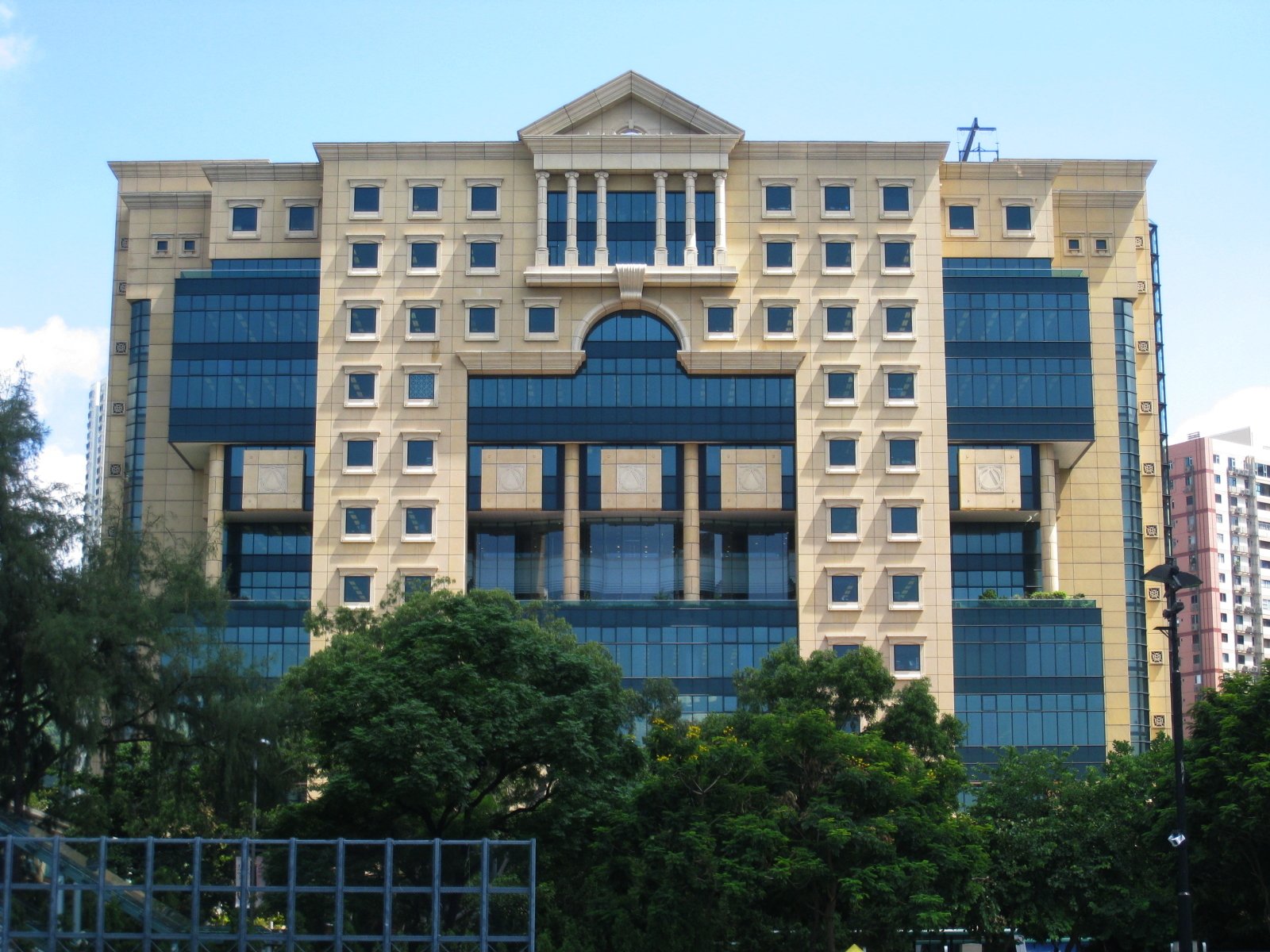
Hong Kong Central Library: History, Architecture, Collections, Services, and Cultural Importance
Introduction
The Hong Kong Central Library is one of the most important public library institutions in Hong Kong and serves as a major center for learning, research, reading, culture, and community activities. Located in Causeway Bay on Hong Kong Island, the library is recognized not only for its extensive collection of books and information resources but also for its distinctive architecture and important role in the development of Hong Kong’s public library system.
For students, researchers, teachers, families, professionals, and general readers, the Hong Kong Central Library provides access to a wide range of printed and digital resources. Its facilities support traditional reading as well as modern forms of information discovery. The library is also closely connected with Hong Kong’s cultural life because libraries today are more than places where books are stored. They are community spaces where people can study, discover ideas, attend cultural programs, use digital resources, and participate in educational activities.
The Hong Kong Central Library occupies a particularly significant position within the public library network of Hong Kong. It functions as a central resource while also serving the local community around Causeway Bay and nearby districts. Its large collection and wide variety of services make it an important destination for people interested in literature, history, education, science, technology, culture, and many other subjects.
This article explores the history, architecture, collections, services, educational role, technology, cultural importance, and future development of the Hong Kong Central Library.
1. What Is the Hong Kong Central Library?
The Hong Kong Central Library is the largest public library building in Hong Kong and an important part of the city’s public library system. It is located at 66 Causeway Road in Causeway Bay, Hong Kong Island.
The library was developed to provide a central facility capable of serving a very large population. Hong Kong is one of the world’s most densely populated urban areas, and public libraries play an important role in providing accessible information and educational resources.
The Central Library offers resources for readers of different ages and interests. Its collections include books, newspapers, magazines, reference materials, multimedia resources, and electronic information. It also provides spaces designed for different purposes, including quiet study, general reading, children’s activities, and research.
Unlike a small neighborhood library, a central library needs to serve a much broader range of information requirements. The Hong Kong Central Library therefore combines the functions of a public library, research resource, educational facility, and cultural venue.
Its importance extends beyond the physical building. Through its services and connection with the wider public library network, the institution contributes to the broader information infrastructure of Hong Kong.
2. History of the Hong Kong Central Library
The development of the Hong Kong Central Library was connected to the long-term growth of public library services in Hong Kong.
Public libraries in Hong Kong have a history that extends back many decades. As the population increased and education became increasingly important, demand for public reading and information facilities also grew.
Before the establishment of the present Central Library, Hong Kong already had a network of public libraries located in different districts. However, the city needed a major central facility that could provide a larger collection and more comprehensive services.
The Hong Kong Central Library was officially opened in 2001. Its opening represented an important stage in the development of public library services in Hong Kong.
The building was designed to accommodate a large collection and provide modern facilities for readers. It was also intended to become a recognizable public institution within the urban environment of Causeway Bay.
Over the years, the library has developed alongside changes in society and technology. When the building first opened, printed books remained the primary form of library information. Today, however, readers increasingly use online databases, electronic books, digital newspapers, multimedia resources, and internet-based information services.
The library has therefore continued to adapt its services to changing patterns of information use.
3. Location in Causeway Bay
One of the major characteristics of the Hong Kong Central Library is its location.
Causeway Bay is one of Hong Kong’s best-known commercial and urban districts. It is associated with shopping centers, offices, restaurants, public transportation, residential areas, and cultural facilities.
Placing a major public library in such a busy district provides practical advantages. Large numbers of residents, students, workers, and visitors can reach the library using Hong Kong’s extensive transportation network.
The library’s location also reflects the role of public libraries in modern cities. A library does not need to be isolated from urban life. Instead, it can become part of the everyday environment where people work, study, shop, travel, and socialize.
For students and researchers, the location provides convenient access to a major information facility. Families can also visit the library as part of their educational and recreational activities.
4. Architecture of the Hong Kong Central Library
The architecture of the Hong Kong Central Library is one of its most noticeable characteristics.
The building was designed as a major public institution rather than simply a storage facility for books. Its scale reflects the large population it serves and the extensive services provided inside.
The building has a distinctive appearance and occupies a prominent location along Causeway Road. Its vertical structure makes effective use of limited urban land, which is particularly important in a densely developed city such as Hong Kong.
Inside, the building is organized into different areas for reading, research, collections, administration, children’s services, and other activities.
The architecture also reflects an important principle of modern library design: accessibility.
Libraries need to accommodate people with different needs. Readers may want a quiet place for concentrated study, a comfortable space for casual reading, access to computers, children’s facilities, or research materials.
Therefore, a successful modern library needs to combine different types of spaces within one building.
5. A Vertical Library in a Dense City
Hong Kong has limited land resources and a highly developed urban environment. Because of this, public buildings often need to make efficient use of vertical space.
The Hong Kong Central Library demonstrates how a large cultural institution can operate within a vertical urban structure.
Instead of spreading across a large horizontal campus, the library uses multiple floors to organize collections and services.
This creates a different experience from libraries located in large open areas. Visitors move vertically between departments and collections, while each level can serve a particular purpose.
The arrangement also allows the library to accommodate a substantial amount of material without requiring an enormous land area.
6. Collections of the Library
The collections of the Hong Kong Central Library are one of its most important features.
A major public library needs to serve readers with different interests, educational backgrounds, and information needs. Consequently, its collection covers numerous subjects.
Readers can find materials related to:
- Literature
- History
- Geography
- Science
- Technology
- Business
- Economics
- Education
- Art
- Music
- Philosophy
- Language
- Social sciences
- Children’s literature
- Reference materials
- Local history
- Hong Kong studies
The collection includes materials in different languages, reflecting Hong Kong’s multilingual environment.
Printed books remain important, but the modern library also provides access to electronic information resources.
7. Hong Kong Studies Collection
One particularly important area of the library’s work is the preservation and provision of information related to Hong Kong.
Hong Kong has a complex history shaped by Chinese traditions, international connections, economic development, migration, urbanization, and political and cultural changes.
Materials documenting Hong Kong’s development are valuable to researchers, students, historians, journalists, and members of the public.
A Hong Kong-focused collection can include books, newspapers, periodicals, historical publications, government materials, maps, and other resources.
These materials help researchers understand how Hong Kong has changed over time.
Local history collections are particularly important because historical information can otherwise become difficult to locate. A central library provides a structured environment where these materials can be preserved and made available for research.
8. Chinese Language Collections
Chinese-language materials form an important part of the library’s collections.
Hong Kong has a strong Chinese literary and cultural tradition, and readers have access to a wide variety of Chinese books and publications.
These resources cover traditional literature as well as contemporary writing.
Chinese-language collections may be useful to:
- Students
- Teachers
- Researchers
- Writers
- Historians
- Language learners
- General readers
The availability of Chinese publications also helps maintain access to cultural and literary resources within the city’s public library system.
9. English Language Collections
English-language materials are also an important part of the Hong Kong Central Library’s resources.
Hong Kong has historically maintained strong connections with the English-speaking world, and English continues to be widely used in education, business, law, science, and international communication.
The library therefore provides English-language books and information resources covering a wide range of subjects.
Students can use these resources for school and university assignments. Professionals can consult business and technical materials, while general readers can explore English-language literature and nonfiction.
10. Children’s Library Services
Children are an important group of library users.
The Hong Kong Central Library provides facilities and resources designed to encourage children to develop reading habits.
Children’s libraries typically require a different environment from adult reading areas. Young readers benefit from colorful, accessible spaces, age-appropriate books, storytelling activities, and educational programs.
Developing a reading habit during childhood can influence educational development later in life.
Libraries provide an environment where children can discover books without the commercial pressure associated with buying them. A child can explore different subjects and authors and gradually develop personal interests.
The library’s children’s resources therefore contribute to early literacy and lifelong learning.
11. Teenagers and Students
Teenagers and students are another major group of library users.
Students often need quiet spaces where they can complete assignments, prepare for examinations, read textbooks, and conduct research.
Public libraries provide an alternative to studying at home, particularly for students who may not have suitable study environments.
The Hong Kong Central Library offers resources covering school and academic subjects.
Students can use library materials to supplement classroom learning. Instead of relying exclusively on a single textbook or website, they can consult multiple sources and develop research skills.
12. Study Spaces
Study space is an important part of any major urban library.
Hong Kong’s dense living environment means that not every student has access to a quiet personal study area at home.
A public library can provide a structured environment where people can concentrate.
Quiet reading rooms and study areas can be useful for:
- Examination preparation
- Academic research
- Writing
- Reading
- Professional development
- Self-study
The presence of other learners can also create a focused atmosphere.
Unlike a commercial café, the primary purpose of a library study area is learning and information use.
13. Reference Services
Reference services are another important function of the Central Library.
Reference librarians help users find information and understand how to use library resources.
For beginners, locating reliable information can be difficult. A search engine may produce thousands of results without explaining which sources are appropriate.
Library staff can guide readers toward relevant books, databases, catalogs, reference works, and other resources.
Reference services are particularly valuable for students and researchers who need to conduct structured research.
14. Digital Resources
The modern library is no longer limited to physical books.
Digital technology has transformed how information is stored and accessed.
The Hong Kong Central Library provides access to electronic resources that can complement its physical collections.
Depending on the resource, users may be able to access:
- Electronic books
- Online newspapers
- Digital magazines
- Research databases
- Reference databases
- Multimedia materials
- Electronic learning resources
Digital resources allow users to find information more quickly and can make research more flexible.
The transition from physical-only collections to hybrid collections is one of the most important developments in modern library services.
15. Computers and Internet Access
Public libraries can also provide access to computer and internet facilities.
This is particularly important because not everyone has equal access to technology.
Students may need computers to complete assignments. Job seekers may need internet access to search for employment opportunities. Older adults may need assistance with digital services.
Libraries can therefore help reduce aspects of the digital divide by providing public access to technology and information.
Digital literacy is increasingly important in modern society, and public libraries can support people who are learning to use online tools.
16. Newspapers and Periodicals
Newspapers and magazines provide information about current events, society, business, culture, science, and other topics.
The Hong Kong Central Library provides access to periodical materials as part of its broader information services.
Newspapers are also historically important. Today’s newspaper can become tomorrow’s historical record.
Researchers studying Hong Kong’s social and political development may use newspaper archives to understand how events were reported at particular moments.
Periodicals also provide specialized information that may not appear in general books.
17. Multimedia Resources
Modern libraries increasingly collect more than books.
Multimedia resources can include audiovisual materials and other forms of recorded information.
These resources support different learning styles.
For example, a student researching music may benefit from recordings, while someone studying a historical event may benefit from documentaries or audiovisual materials.
Libraries therefore continue to evolve from traditional book-centered institutions into broader information and cultural centers.
18. Cultural Programs
A central library can serve as a cultural venue as well as a reading facility.
Libraries often organize activities such as:
- Lectures
- Exhibitions
- Talks
- Reading programs
- Storytelling
- Workshops
- Educational events
- Literary activities
Such programs bring people into direct contact with authors, researchers, educators, artists, and cultural organizations.
The library becomes a place where knowledge is not only stored but actively shared.
19. Exhibitions and Public Education
Exhibitions can help libraries communicate information in visual and accessible ways.
A well-designed exhibition can introduce visitors to historical subjects, literary figures, cultural traditions, scientific topics, or important collections.
Public exhibitions also allow people who may not normally conduct academic research to discover new topics.
For a major city such as Hong Kong, cultural exhibitions can help connect residents with the city’s history and heritage.
20. The Library as a Community Space
One of the most important changes in modern librarianship is the transformation of libraries into community spaces.
Traditional libraries were often viewed primarily as places where books were stored and borrowed.
Modern libraries have a broader mission.
They provide places where people can:
- Read
- Study
- Research
- Learn
- Attend events
- Use technology
- Discover culture
- Participate in educational programs
The Hong Kong Central Library demonstrates this broader understanding of what a public library can be.
21. Importance for Researchers
Researchers depend on reliable sources.
A major library can provide access to materials that may be difficult to find online.
Researchers studying Hong Kong can particularly benefit from local collections.
Historical books, newspapers, government publications, maps, and other materials can provide evidence for research projects.
Libraries also teach researchers how to evaluate information.
This is increasingly important in an age when misinformation can spread quickly online.
22. Importance for Lifelong Learning
Education does not end when a person leaves school or university.
Adults may want to learn new languages, develop professional skills, understand history, explore literature, or study a completely new subject.
Public libraries support lifelong learning because they provide free or accessible information resources to broad sections of society.
The Hong Kong Central Library can therefore serve people at many different stages of life.
A teenager preparing for examinations and a retired person exploring history may use the same institution for very different purposes.
23. Role in Literacy
Libraries contribute to literacy by encouraging people to read.
Literacy includes more than the ability to recognize words. Modern literacy also involves understanding information, evaluating sources, communicating ideas, and using digital resources.
Public libraries provide opportunities for readers to develop these skills.
Children’s reading programs can introduce young people to books, while adult resources can support continued learning.
24. Accessibility and Public Service
A public library has a responsibility to serve a broad population.
This includes people from different age groups, educational backgrounds, occupations, and social circumstances.
Accessible public services are particularly important in large cities because economic and educational circumstances can vary considerably between individuals.
By providing shared resources, public libraries help make knowledge available beyond private educational institutions.
25. Environmental and Urban Context
The Hong Kong Central Library operates within a highly urbanized environment.
Hong Kong’s limited land and high population density influence building design, transportation, and public services.
Libraries in such environments need to maximize the value of their available space.
The Central Library’s multi-level structure allows it to accommodate large collections and numerous functions in a relatively compact urban footprint.
Its location also demonstrates how cultural institutions can become integrated into commercial and residential districts.
26. Transportation and Accessibility
Causeway Bay is one of Hong Kong’s major transportation areas.
This makes the library relatively convenient for people traveling from different parts of Hong Kong Island and beyond.
Public transportation is particularly important for a public institution because users do not necessarily live near the library.
A centrally located library can therefore function as a shared resource for a much wider population.
27. Library Catalog and Information Discovery
A modern library needs an efficient catalog.
A catalog allows users to search for books and other resources by information such as:
- Title
- Author
- Subject
- Keyword
- Publication details
Online catalogs have made information discovery significantly easier.
Instead of walking through shelves to determine whether a book exists, users can search electronically before visiting a particular section.
This saves time and supports more effective research.
28. The Importance of Librarians
Technology does not eliminate the importance of librarians.
Search engines can locate information, but librarians can help users understand information.
A librarian can assist with:
- Finding appropriate sources
- Understanding catalogs
- Using databases
- Research strategies
- Reference materials
- Information evaluation
This human expertise remains valuable in a world where people face an enormous volume of online information.
29. Libraries and Information Literacy
Information literacy is the ability to find, evaluate, understand, and use information responsibly.
This skill is increasingly important because anyone can publish content online.
A professional library environment encourages users to distinguish between:
- Primary and secondary sources
- Reliable and unreliable information
- Scholarly and non-scholarly materials
- Historical records and modern commentary
- Evidence and opinion
The Hong Kong Central Library’s resources can therefore support not only reading but also critical research skills.
30. Importance for Hong Kong’s Cultural Heritage
Hong Kong has a unique cultural history.
Its heritage includes Chinese traditions, Cantonese culture, international influences, modern architecture, literature, migration histories, commercial development, and urban transformation.
Libraries play a role in documenting this heritage.
Books, newspapers, photographs, publications, and other materials provide evidence of how people lived, worked, communicated, and thought during different periods.
Preserving these materials helps future generations understand the city’s development.
31. Literature and Reading Culture
Hong Kong has a vibrant literary culture.
The city has produced writers working in Chinese and English and has developed connections with literary traditions across Asia and the wider world.
Public libraries help strengthen reading culture by making literature accessible.
Readers can discover classic works, contemporary novels, poetry, essays, biographies, and translated literature.
Libraries also provide a neutral space where readers can explore genres without needing to purchase every book.
32. Role in Education
Education is one of the most important reasons people use public libraries.
Students can use libraries to expand beyond classroom materials.
Teachers can use library resources when preparing lessons.
Parents can encourage children to read through library visits.
Adults can continue learning outside formal educational institutions.
This creates a relationship between public libraries and the broader educational ecosystem.
33. Support for Teachers
Teachers need reliable information resources to prepare lessons and expand their subject knowledge.
A large public library can provide access to educational books, reference materials, historical sources, literature, science resources, and other materials.
Teachers can also encourage students to use libraries independently.
This helps students develop research habits that become useful at university and in professional life.
34. Support for Families
Libraries can become family learning spaces.
Parents can introduce children to reading by selecting books together.
Families can attend storytelling activities or cultural events.
Library visits can also provide an affordable educational activity in an expensive urban environment.
For many families, the public library offers an opportunity to combine learning and leisure.
35. The Library in the Digital Age
The internet has changed the role of libraries but has not eliminated them.
Instead, libraries have adapted.
The modern library combines:
Physical information + digital information + human assistance + learning spaces + cultural programming.
This combination makes libraries relevant even when much information is available online.
A library offers something that a simple internet search cannot always provide: organized collections, professional assistance, physical study spaces, and trusted information services.
36. Physical Books Still Matter
Despite the growth of digital media, physical books remain valuable.
Many readers prefer the experience of reading printed books.
Physical collections also provide long-term access to publications that may disappear from commercial websites.
Libraries preserve books as cultural objects and information resources.
The continued presence of physical collections demonstrates that digital technology does not necessarily replace traditional formats completely.
37. Digital Transformation
The digital transformation of libraries involves more than providing computers.
It includes:
- Digital catalogs
- Electronic databases
- Online services
- Digital collections
- Electronic books
- Remote information access
- Technology-supported learning
These developments make library services more flexible.
People can increasingly interact with library resources without spending the entire day inside the physical building.
38. Challenges Facing the Hong Kong Central Library
Like major libraries around the world, the Hong Kong Central Library faces several challenges.
One challenge is the rapid growth of digital information.
Libraries must determine which electronic resources are valuable and how they can preserve them over the long term.
Another challenge is changing user behavior.
Younger generations often expect information to be immediately available online.
Libraries must therefore demonstrate the continuing value of organized information services.
Space is another challenge.
Large collections require storage, while users increasingly want comfortable study areas, technology facilities, and community spaces.
Balancing these requirements can be difficult in a dense city.
39. Preserving Digital Information
Digital information creates new preservation problems.
A printed book can potentially remain readable for centuries if stored properly.
Digital files depend on hardware, software, file formats, storage systems, and technical infrastructure.
Libraries therefore need strategies for digital preservation.
This is particularly important for historical information.
Future researchers may depend on today’s digital publications, websites, newspapers, photographs, and electronic documents.
40. Libraries and Artificial Intelligence
Artificial intelligence is likely to influence libraries in many ways.
AI tools can potentially assist with:
- Search
- Classification
- Information discovery
- Translation
- Accessibility
- Data analysis
- Digital preservation
However, AI-generated information also creates challenges.
Users need to understand that AI systems can produce inaccurate or misleading information.
Libraries can help develop information literacy by teaching people how to verify information and compare sources.
41. Future of the Hong Kong Central Library
The future of the Hong Kong Central Library will likely involve a continued balance between physical and digital services.
The library will remain important as a physical place for reading, studying, research, and cultural activities.
At the same time, digital services will continue to expand.
Future library users may expect:
- More electronic resources
- Faster online services
- Better search systems
- More digital collections
- Technology-supported learning
- Improved accessibility
- Flexible study spaces
The challenge will be to integrate technology without losing the human and cultural qualities that make libraries valuable.
42. Why the Library Matters to Hong Kong
The Hong Kong Central Library matters because it represents the idea that knowledge should be accessible to the public.
A major city requires institutions that support education, culture, research, and lifelong learning.
The library provides a shared environment where people from different backgrounds can access information.
It also contributes to the cultural identity of Hong Kong by preserving and making available materials related to the city’s history and society.
43. Hong Kong Central Library as a Symbol of Knowledge
Large libraries often become symbols of knowledge.
The scale of the Hong Kong Central Library reflects the importance of information in a modern society.
Bookshelves, study rooms, digital databases, reading areas, exhibitions, and cultural programs all represent different aspects of knowledge sharing.
The building therefore has significance beyond its physical structure.
It represents public investment in education and access to information.
44. Visiting the Hong Kong Central Library
Visitors should check current official information before planning a visit because opening hours, facilities, services, and event schedules can change.
Different parts of the library may have different arrangements.
Visitors who want to conduct research should consider searching the catalog in advance.
Students may also want to identify suitable study areas before visiting.
People interested in exhibitions or cultural events should check the latest program information.
45. Tips for Students
Students can make effective use of the Hong Kong Central Library by planning their research before arrival.
Useful strategies include:
- Search the library catalog first.
- Write down useful call numbers or locations.
- Identify several sources rather than relying on one book.
- Use reference materials for background information.
- Take organized research notes.
- Record publication details for citations.
- Ask library staff when information is difficult to locate.
- Use quiet study areas for concentrated work.
- Combine physical and digital resources.
- Verify important information using reliable sources.
These habits can improve both academic performance and research skills.
46. Tips for General Readers
General readers do not need to have a specific research project to benefit from the library.
A visitor can simply explore different sections and discover unfamiliar subjects.
Readers can also create personal reading goals.
For example, someone might spend one month reading history, another month exploring literature, and another studying science or technology.
Libraries are particularly valuable for curiosity-driven learning.
A person can investigate a subject simply because it is interesting.
47. The Social Value of Public Libraries
Public libraries have social value because they provide shared resources.
A library does not ask whether a person is wealthy, famous, or professionally successful before allowing access to information.
Its public-service mission is based on broad accessibility.
This makes libraries important democratic educational institutions in the general sense of providing public access to knowledge and culture.
48. Libraries and Equality of Access
Access to information can influence educational opportunities.
Students with large private libraries at home have access to many resources, while others may not.
Public libraries help narrow this difference by providing shared collections.
The Hong Kong Central Library’s extensive resources therefore have educational value for people who may not otherwise have access to specialized information.
49. Economic Importance
Libraries can also have indirect economic benefits.
People use library resources to develop professional skills, research industries, learn languages, study technology, and prepare for careers.
Small business owners and entrepreneurs may use business information resources.
Job seekers may use computers and internet services.
Students use libraries to gain knowledge that supports future employment.
Thus, libraries contribute to human capital development.
50. Cultural Continuity
Libraries preserve cultural continuity by maintaining access to older works.
A city changes rapidly, especially a city as dynamic as Hong Kong.
Buildings may be demolished, businesses may close, and lifestyles may change.
Books, newspapers, maps, photographs, and documents provide evidence of earlier periods.
A library can preserve these records so that future generations can study the past.
51. The Role of Libraries in Modern Cities
Modern cities need more than transportation, housing, offices, and shopping centers.
They also need institutions that support intellectual and cultural life.
Museums preserve objects.
Archives preserve records.
Universities provide advanced education.
Libraries provide broad public access to knowledge.
The Hong Kong Central Library is part of this wider cultural infrastructure.
52. Comparison With Other Major Libraries
The Hong Kong Central Library belongs to a global tradition of large public and national libraries.
Other famous libraries include the Library of Congress in Washington, the British Library in London, the New York Public Library, the National Library of China, and the National Diet Library of Japan.
Each institution has a different mission and collection.
National libraries often focus heavily on national heritage and legal deposit collections.
Public libraries emphasize broad community access.
University libraries primarily support academic institutions.
The Hong Kong Central Library combines major public library functions with substantial research and cultural resources.
53. Why Architecture Matters in Libraries
Library architecture influences how people use information.
A dark or confusing building can discourage visitors.
A clear, comfortable, accessible environment can encourage reading and learning.
Modern library architecture therefore considers:
- Natural light
- Movement
- Seating
- Accessibility
- Noise levels
- Technology
- Collection organization
- Safety
- Flexibility
The Hong Kong Central Library demonstrates the importance of designing a major library for a large urban population.
54. Quiet Spaces and Concentration
One advantage of libraries is the ability to provide environments dedicated to concentration.
Modern life can be full of distractions.
Phones, social media, entertainment, household activities, and workplace interruptions can make it difficult to focus.
A library creates a physical environment associated with reading and study.
For many students and researchers, this environment can be extremely useful.
55. Reading as a Lifelong Activity
Reading is not limited to school assignments.
People read for:
- Knowledge
- Entertainment
- Personal development
- Professional improvement
- Cultural understanding
- Relaxation
- Research
Public libraries make it possible to maintain reading as a lifelong activity.
The Hong Kong Central Library’s broad collection provides opportunities for readers to move from one subject to another throughout their lives.
56. The Future Reader
The future library user may interact with information in ways that are very different from previous generations.
A reader may use a smartphone to search the catalog, access an electronic book, reserve a physical item, enter the library, use a digital database, and attend a hybrid event.
Libraries must therefore think beyond traditional borrowing.
The future library is likely to be an integrated information platform.
57. Importance of Human Interaction
Despite technological changes, human interaction remains important.
A librarian can understand a question and suggest research strategies.
A teacher can guide a student.
An author can speak directly to readers.
A cultural program can create conversation.
These experiences cannot always be replaced by automated search systems.
58. The Library and Community Identity
Major public buildings can become part of a city’s identity.
The Hong Kong Central Library is recognizable because of its location, scale, and role.
For residents of Hong Kong, it is more than a building containing books.
It can be a place associated with school years, examinations, research projects, family visits, reading, and cultural events.
Such personal experiences contribute to the social identity of a public institution.
59. Educational Habits Developed Through Libraries
Regular library use can teach practical habits.
A student learns how to:
- Search systematically
- Organize information
- Return materials responsibly
- Respect shared spaces
- Compare sources
- Take notes
- Plan research
These habits have value far beyond the library.
They can become lifelong academic and professional skills.
60. Conclusion
The Hong Kong Central Library is an important educational, cultural, and public-service institution in Hong Kong.
Since its opening in 2001, it has served as a major center for books, information, research, study, digital resources, cultural programs, and community activities. Its location in Causeway Bay places it within one of Hong Kong’s busiest urban districts, making it accessible to a large and diverse population.
The library’s importance comes from more than the size of its collection. It provides a shared environment where children can discover reading, students can prepare for examinations, researchers can investigate historical subjects, adults can pursue lifelong learning, and communities can participate in cultural activities.
Its collections related to Hong Kong are particularly valuable because they help preserve the city’s historical and cultural memory. At the same time, its international and multilingual resources reflect Hong Kong’s position as a globally connected city.
Technology has changed how people find and use information, but it has not made libraries unnecessary. Instead, modern libraries have expanded their role. The Hong Kong Central Library combines traditional books and reading spaces with digital information, technology, research services, educational programs, and cultural activities.
Looking toward the future, the library will continue to face challenges related to digital transformation, information preservation, changing user expectations, technology, and urban space. Yet its fundamental purpose remains highly relevant: helping people discover, understand, preserve, and share knowledge.
For Hong Kong, the Central Library represents an important part of the city’s educational and cultural infrastructure. It demonstrates how a modern public library can serve not only as a place for borrowing books but also as a center for learning, research, culture, technology, and community life.
In an increasingly digital world, institutions such as the Hong Kong Central Library remain valuable because they provide something broader than information alone. They provide an environment where people can learn independently, explore ideas, encounter different cultures, and develop the habit of lifelong learning.
The Hong Kong Central Library is therefore not simply a large collection of books. It is a public knowledge center that connects Hong Kong’s past, present, and future through reading, research, technology, education, and culture.
Frequently Asked Questions
1. Where is the Hong Kong Central Library located?
The Hong Kong Central Library is located on Causeway Road in Causeway Bay, Hong Kong Island.
2. When was the Hong Kong Central Library opened?
The Hong Kong Central Library was opened in 2001.
3. What can visitors do at the library?
Visitors can read books, conduct research, study, use information resources, access digital services, and participate in selected cultural and educational activities.
4. Does the library have children’s resources?
Yes. The library provides resources and services designed for children and young readers.
5. Is the Hong Kong Central Library useful for students?
Yes. Students can use its collections, research resources, study areas, and information services for academic work and self-study.
6. Does the library provide digital resources?
Yes. Modern public library services include electronic information resources and online services in addition to physical collections.
7. Why is the library important to Hong Kong?
It supports education, lifelong learning, public access to information, research, reading culture, and preservation of Hong Kong-related materials.
8. Can researchers use the library?
Yes. Researchers can use the library’s collections and reference resources, particularly for subjects connected with Hong Kong and other areas of study.
9. Why is the library located in Causeway Bay?
Causeway Bay is a major urban and transportation district, making the library accessible to a large population.
10. What is the future of the Hong Kong Central Library?
Its future is likely to involve continued integration of physical collections, digital resources, technology, research services, educational programs, and community activities.
Final Thoughts
The Hong Kong Central Library represents the continuing importance of public knowledge institutions in a modern city. Its books, digital resources, study spaces, cultural programs, and historical materials create opportunities for people of different ages and backgrounds to learn.
As technology continues to change the way information is created and consumed, the library’s role will also evolve. However, the fundamental idea behind the institution remains simple and powerful: knowledge becomes more valuable when people can access it, explore it, and share it.
For Hong Kong, the Central Library remains an important part of that process.